

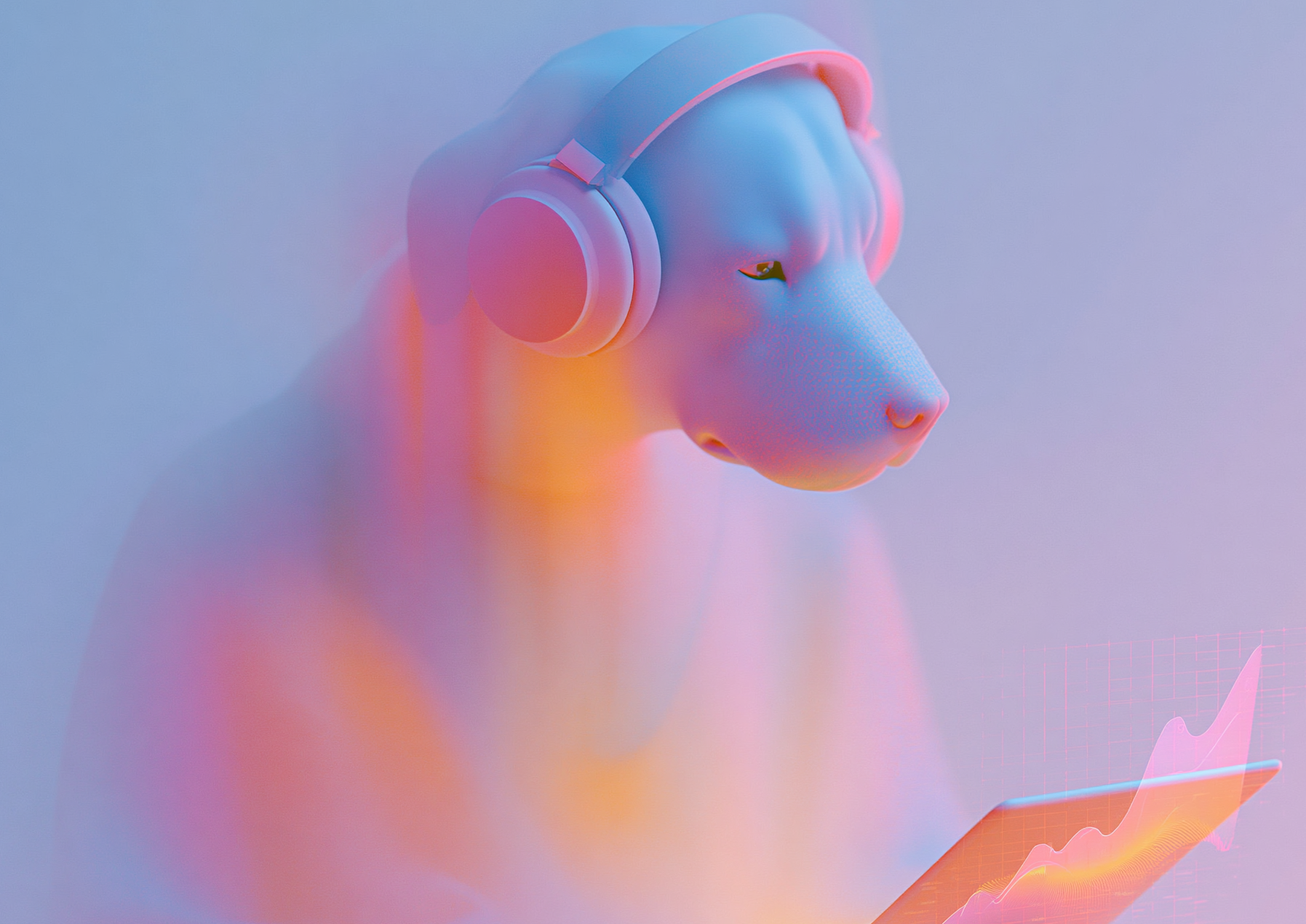
The Future of Longevity Is Cross-Species
Reframing longevity from a purely human quest into a familial, multi-species journey.

For years, longevity research has been centered around humans and rodents. We analyze their genomes, test treatments in them, and build theories.
But we’ve overlooked something big:
We share our lives and our biology with another species aging right beside us.
Dogs.
They breathe our air, live in our environment, mirror our stress patterns, and develop age-related conditions strikingly similar to our own.
This is where Dog Years DAO enters the stage with a radical premise. To understand aging fully, you must study it in more than one species.
The Limitation of Human-Only Longevity
Just for perspective:
- Human trials take years, often decades
- Aging signals progress slowly
- Ethical and regulatory gates are heavy
- Data is expensive and difficult to gather
So we end up with a paradox: We want to treat aging but we only have time to watch it unfold in slow motion. Dogs, however, age much faster. And that’s not a disadvantage; it's a scientific accelerator.
A 12-year canine lifespan becomes a compressed biological storyline.
Where Other DAOs Fit In: Collaboration, Not Competition
Let’s give credit where it’s due:
- VitaDAO explores therapeutics for human aging (including FOXO3-connected pathways with strong anti-aging potential)
- GenomesDAO empowers genomic data ownership for humans
- Rejuve BioDAO invests in biotech advancements & therapeutic development
These DAOs are doing extraordinary work but imagine this; Instead of existing as parallel efforts, they become interconnected organisms in a research ecosystem Dog Years DAO can:
- Test candidate treatments (like VitaDAO’s emerging FOXO3-related molecules) in canine models, providing early signals of biological response
- Compare genomic variance across species in partnership with GenomesDAO
- Provide pre-clinical validation trajectories before Rejuve scales therapies for humans
Now this is how science moves faster and smarter.
Here is the Magic of Cross-Species Biology
When a molecule, gene expression shift, or metabolic pathway affects both humans and dogs, that suggests a universal biological mechanism of aging. And this allows us to:
- Spot true longevity drivers
- Filter noise from false signals
- Detect biomarkers that matter
- Validate therapies across species
- Reduce research timeframes dramatically
Suddenly you’re not looking at aging through a keyhole, rather you’re watching it play out on a panoramic screen.
These Dogs Aren’t “Test Subjects”, Instead, They’re Research Partners
Let’s be clear about this part, because it matters. Dog Years DAO isn’t built on extractive testing or exploitation. It’s built on collaborative biology where:
- pet owners are stakeholders,
- dogs are participants whose aging benefits directly,
- and the community gains shared health insights.
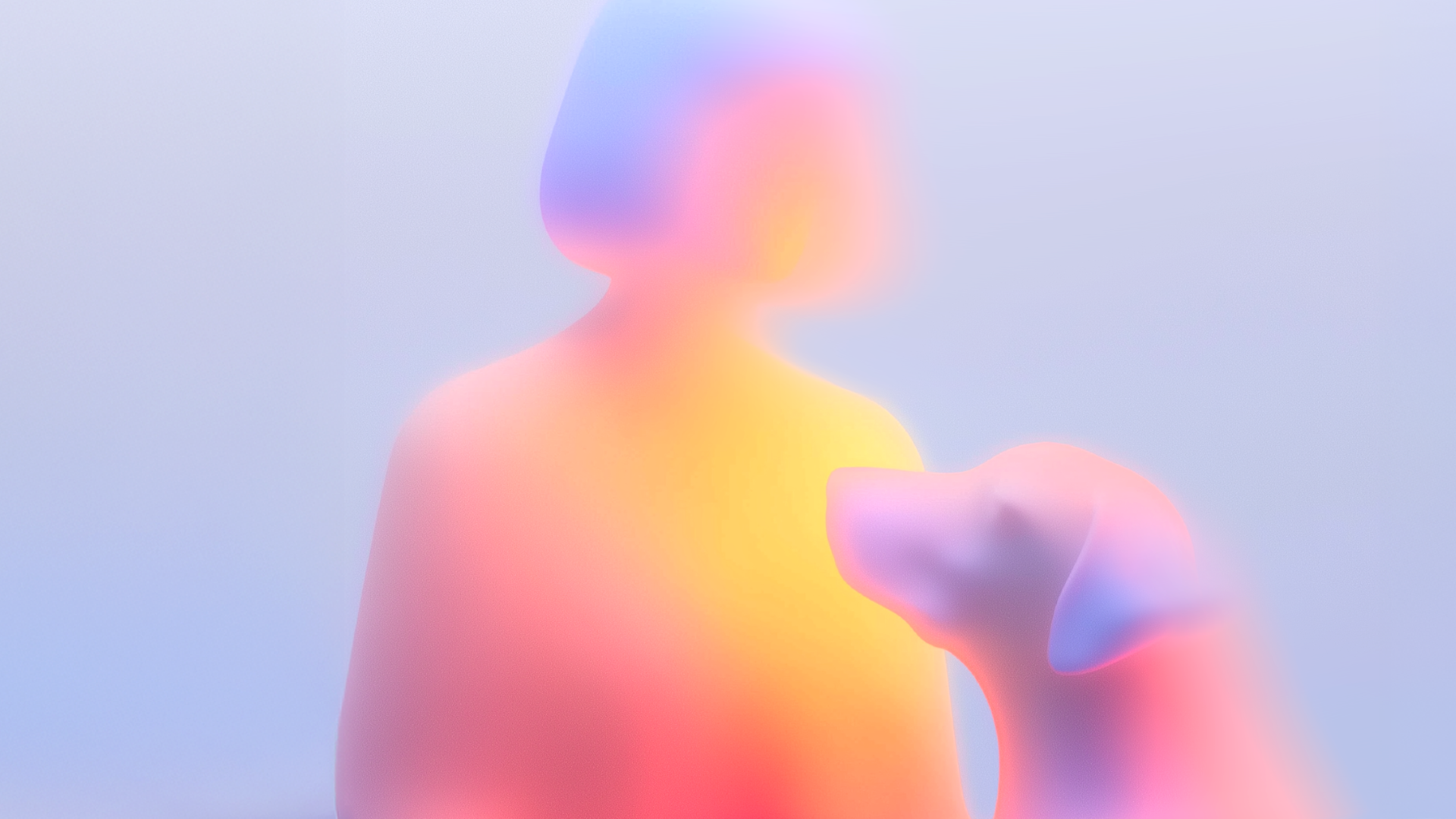
This reframes longevity from a purely human quest into a familial, multi-species journey.
When a therapy helps a dog thrive longer, healthier, more vibrantly, that’s not an experiment. That’s an act of care that also teaches us something vital.
The future of longevity isn’t about humans alone. It’s about understanding aging as a fundamental biological phenomenon shared across life.
Dog Years DAO expands the inquiry beyond a single-species model, enabling faster insights, richer data, and a deeper comprehension of what aging truly is and how it can be slowed or reversed. Because aging isn’t just a human story it’s a living, cross-species narrative unfolding in real time. By studying it through the shared lives of humans and dogs, we open the door to a world where both can enjoy longer, healthier, more vibrant years side by side.
Join Dog Years DAO and help shape a future where humans and dogs thrive longer together. Be part of the movement redefining longevity research.

Keep up with the latest in canine longevity.
Get updates on trial enrollment, research breakthroughs, and new ways to get involved. No spam — just meaningful science, shared stories, and occasional dog pics.


